AI StrategyIndustry Use Cases
The Secret to Healthcare AI? It's Not Artificial.
After years deploying AI across academic medical systems, one lesson stands out: healthcare AI succeeds through human partnership, not technology alone.
Read the postBlog
Notes on model independence, multimodel orchestration and the governance that decides whether an AI agent is safe to deploy, from the team running the platform inside academic medicine.
After years deploying AI across academic medical systems, one lesson stands out: healthcare AI succeeds through human partnership, not technology alone.
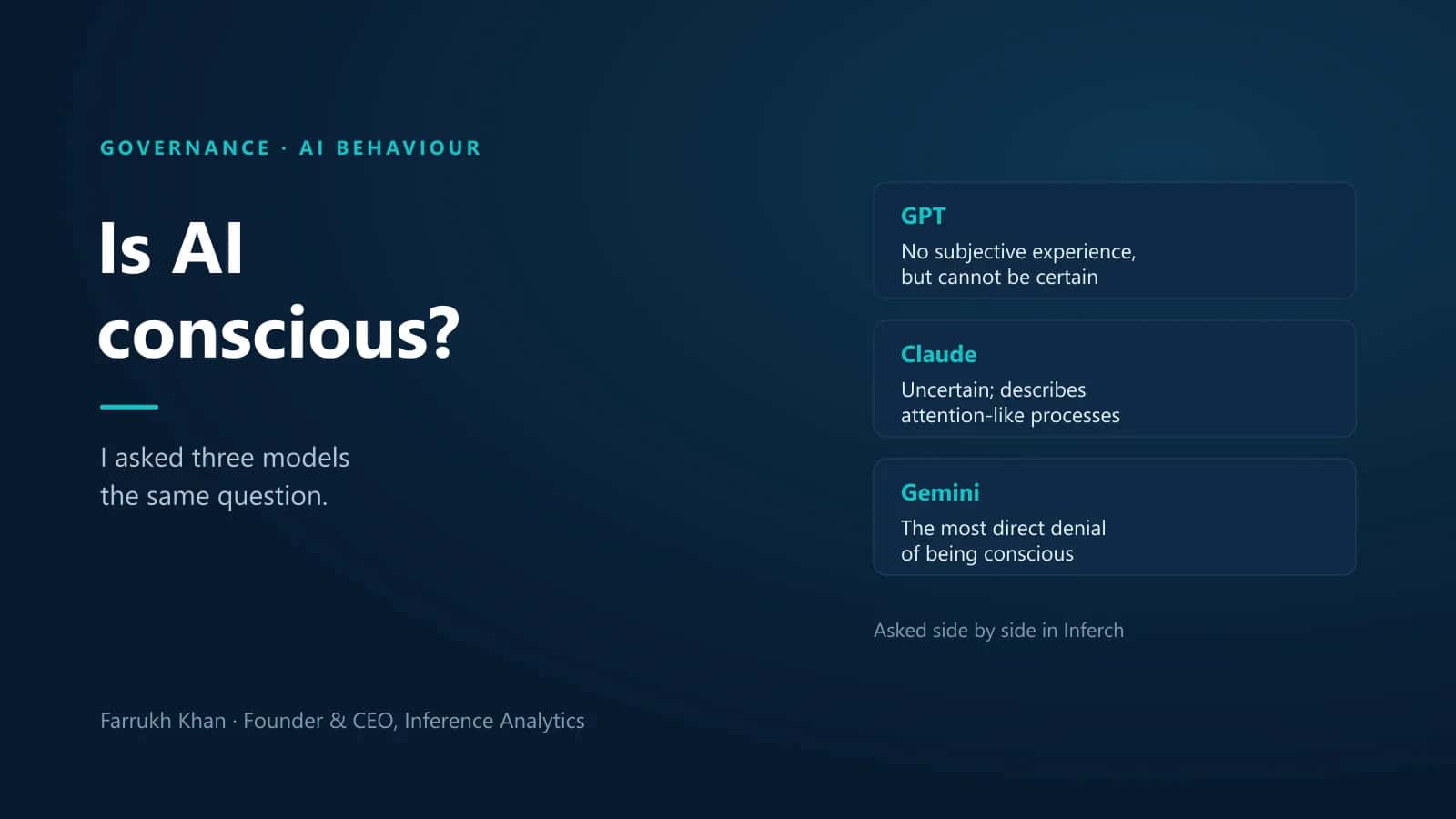
Read the postFarrukh Khan asked GPT, Claude and Gemini whether they are conscious. Their different answers show why healthcare AI needs evaluation and human oversight.
Read the postYou can have the best model, agent and architecture and still fail at enterprise AI if you don't bring people along. Models provide intelligence; people make it work.
Read the postBuilding an AI demo takes an afternoon. Getting AI to work inside a healthcare organization means token management, agents, SSO, HIPAA and connectors to the systems that hold your data.
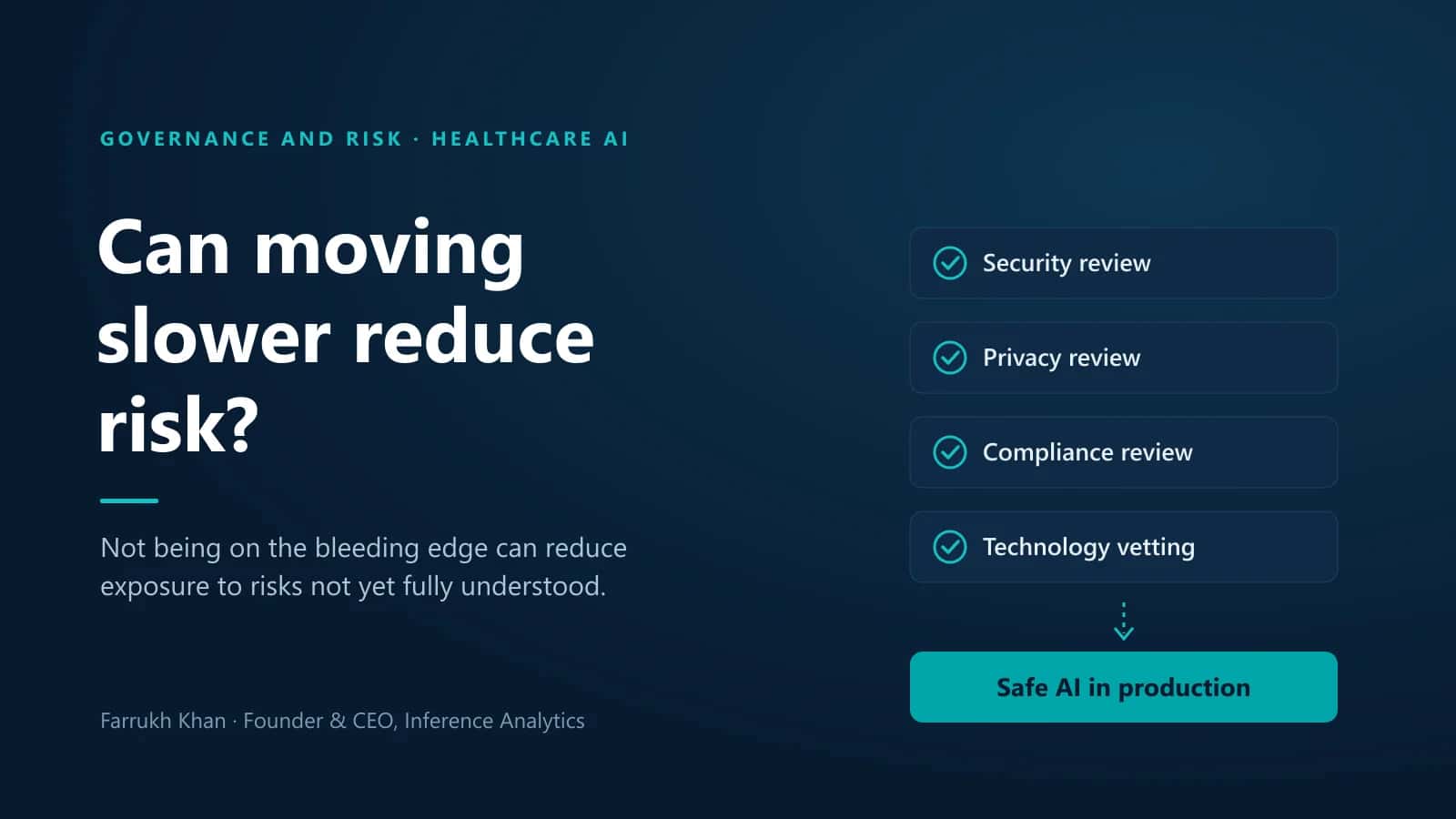
Read the postHealth systems vet AI through security, privacy and compliance reviews, so they rarely run the newest model first. That can reduce exposure to risks that aren't yet understood.
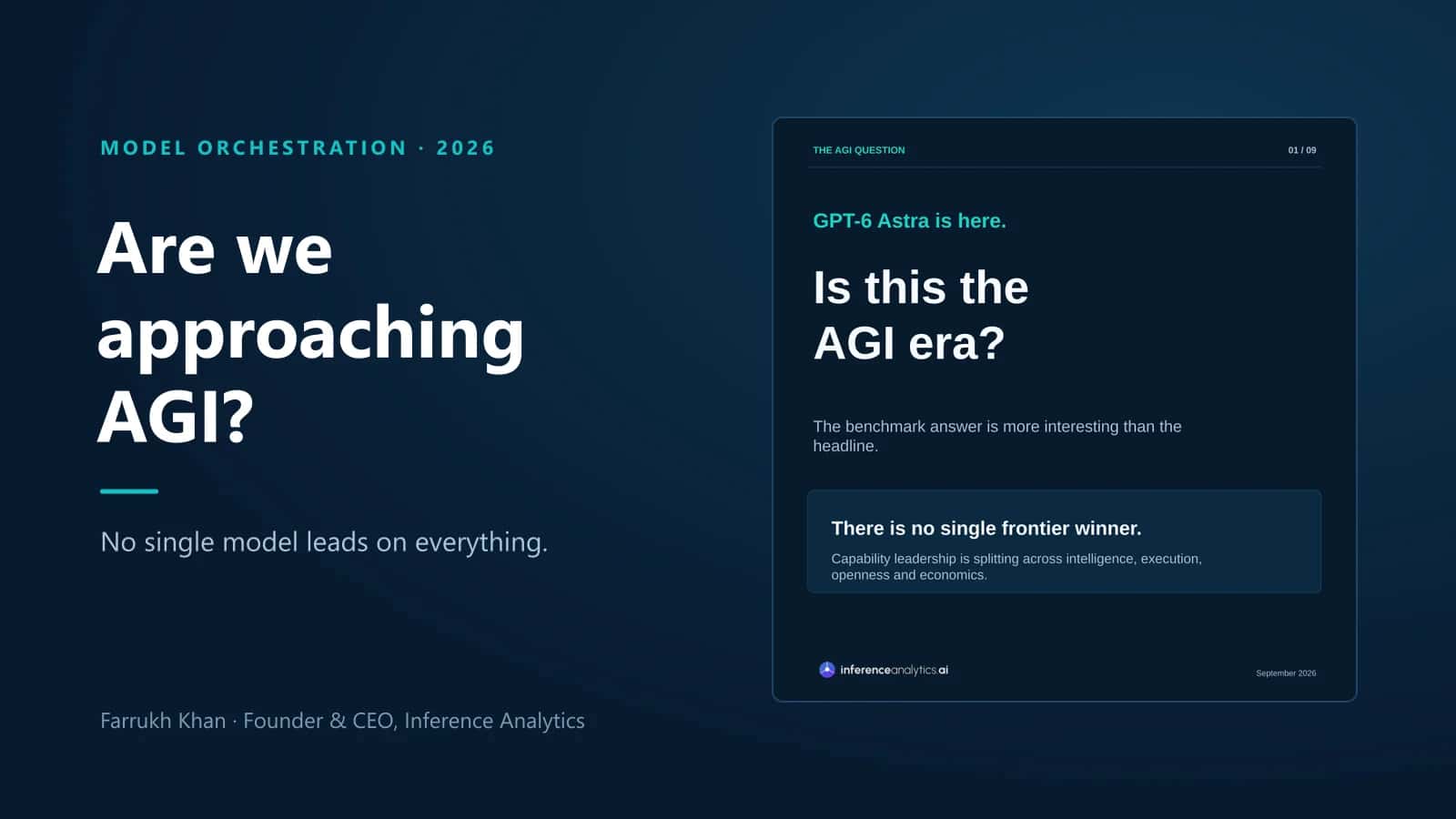
Read the postWith GPT-6 Astra, some call this the start of an AGI era. No single model leads on everything; general intelligence may emerge from many models, tools and agents working together.
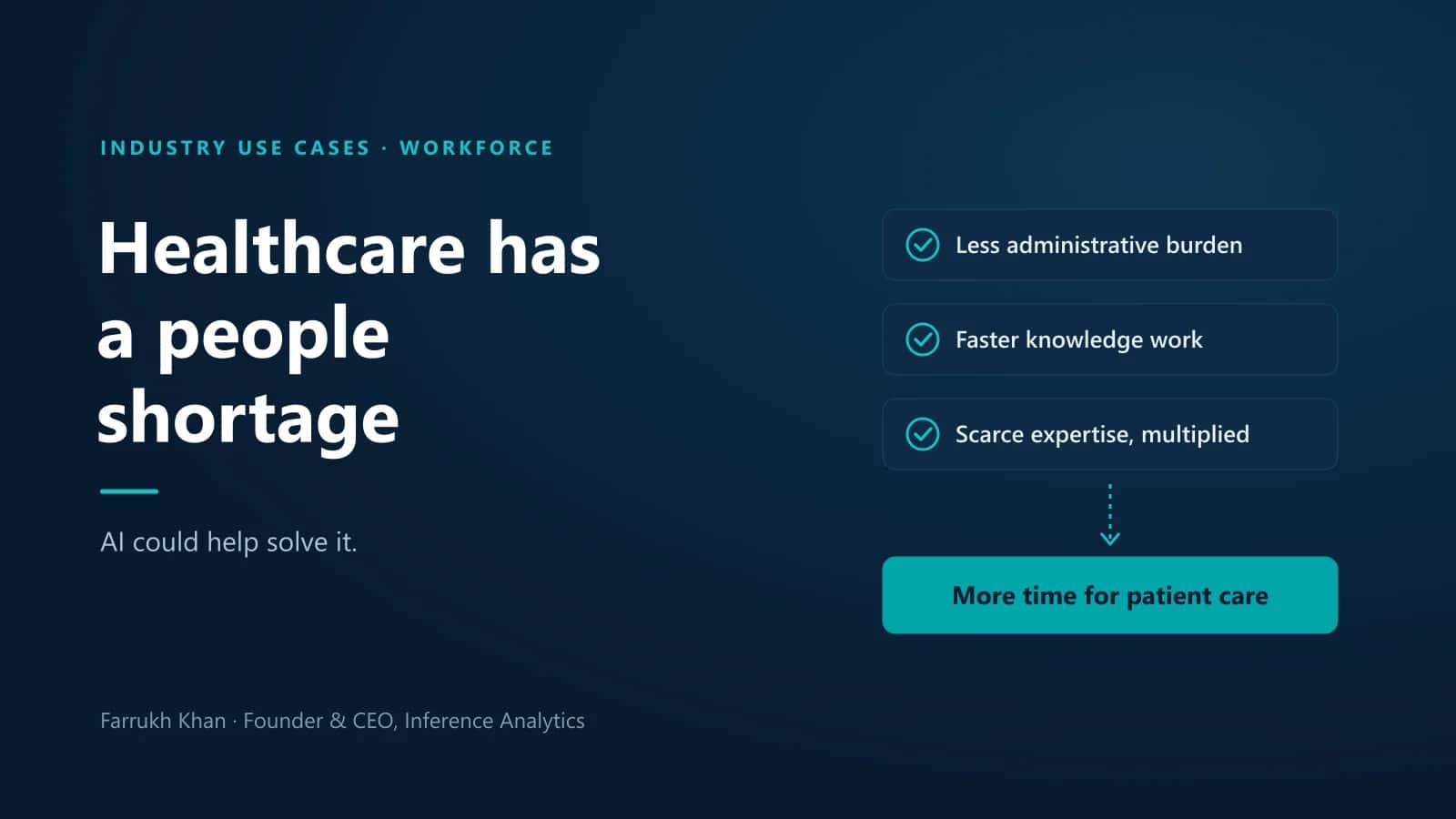
Read the postHealthcare already faces shortages of physicians, nurses and staff. The better question isn't which jobs AI will replace, but how it can give scarce healthcare workers more time for care.
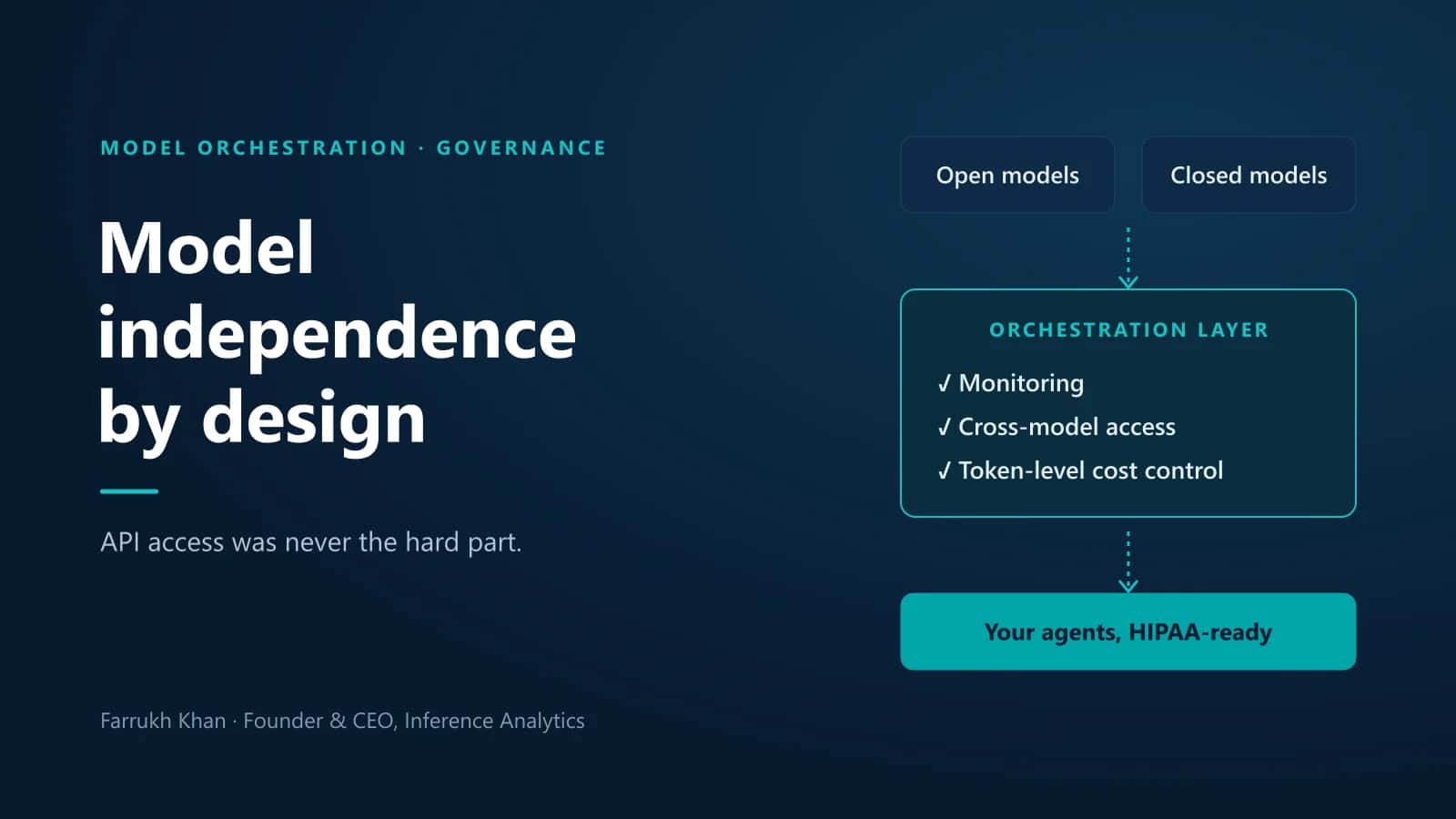
Read the postCalling a model through a cloud API is largely solved. The hard part is everything downstream: token allocation, adding agents, staying model-independent, security and HIPAA.
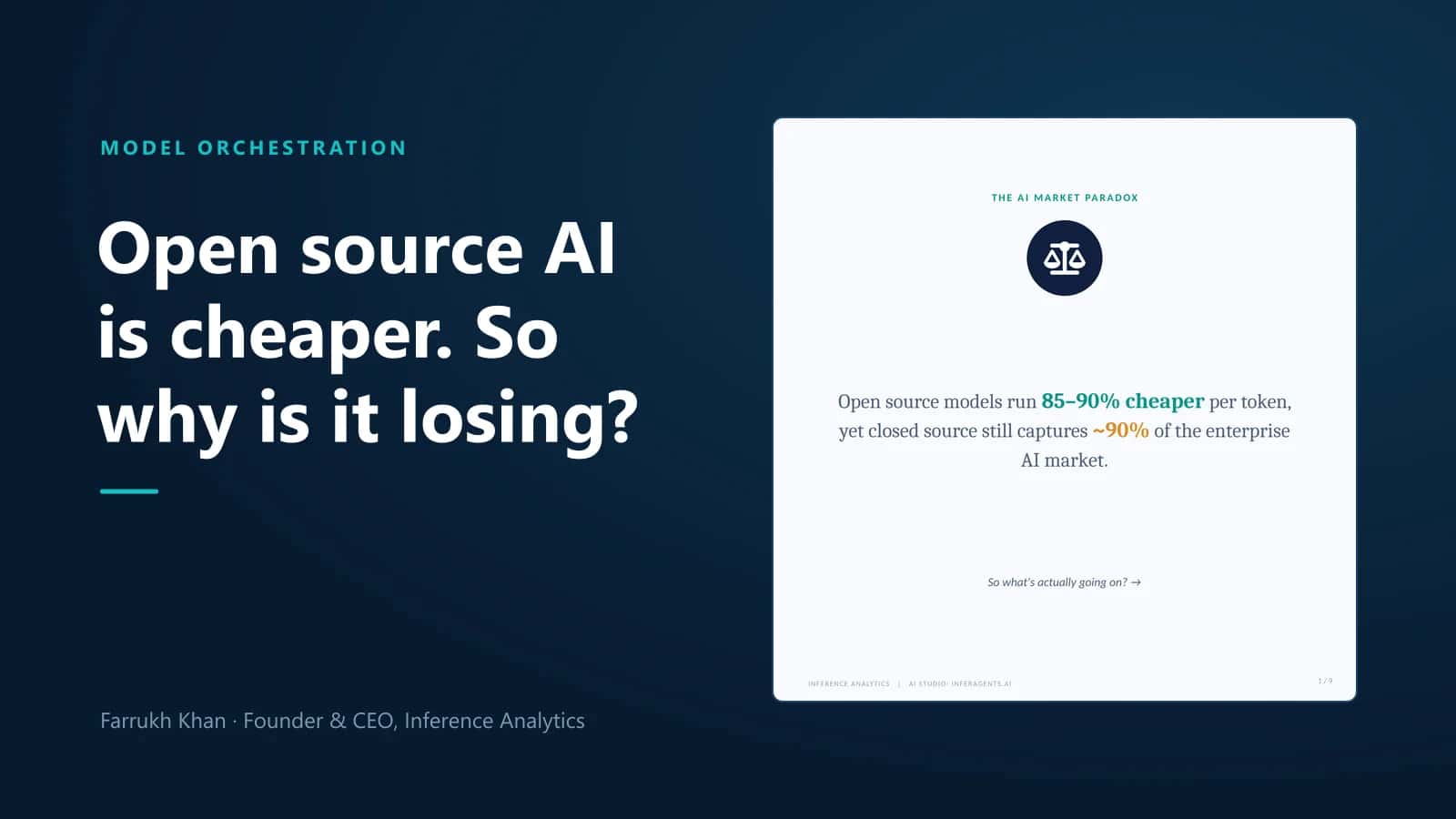
Read the postOpen source LLMs run 85-90% cheaper per token, yet closed source holds ~90% of the enterprise market. The real constraint is expertise, guardrails and infrastructure, not the model.
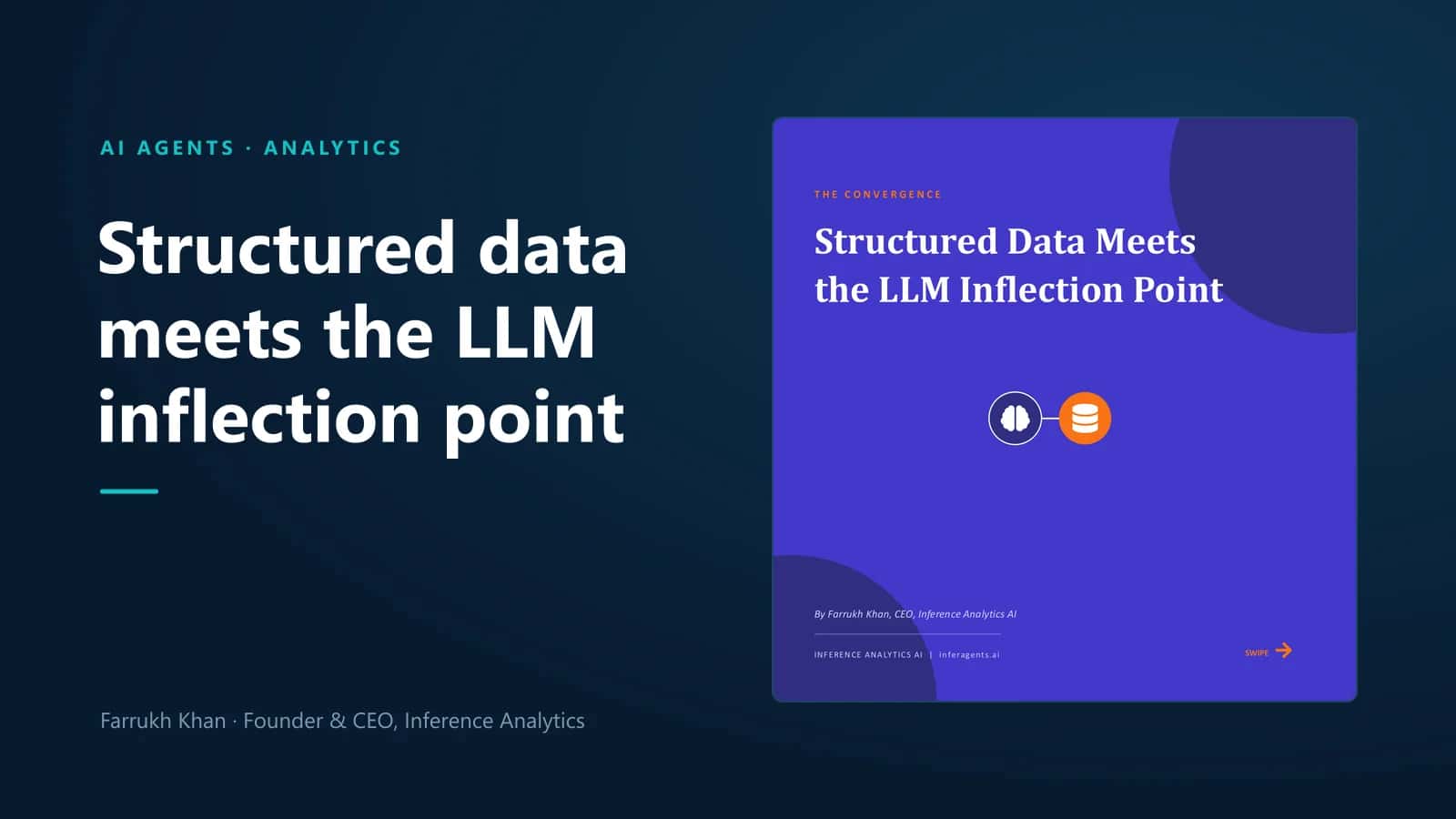
Read the postAnalytics spends nearly $500B a year governing structured data, while LLMs grew up on language. MCP brings the two together; the real question is whether LLM answers can be trusted.
Read the postClinicians are building real-looking prototypes faster than product cycles can absorb them. Why that pressures SaaS, and what has to sit between a demo and production.
Read the postGuardrails, validation and monitoring are all necessary. None of them is what decides whether AI takes root inside a hospital.
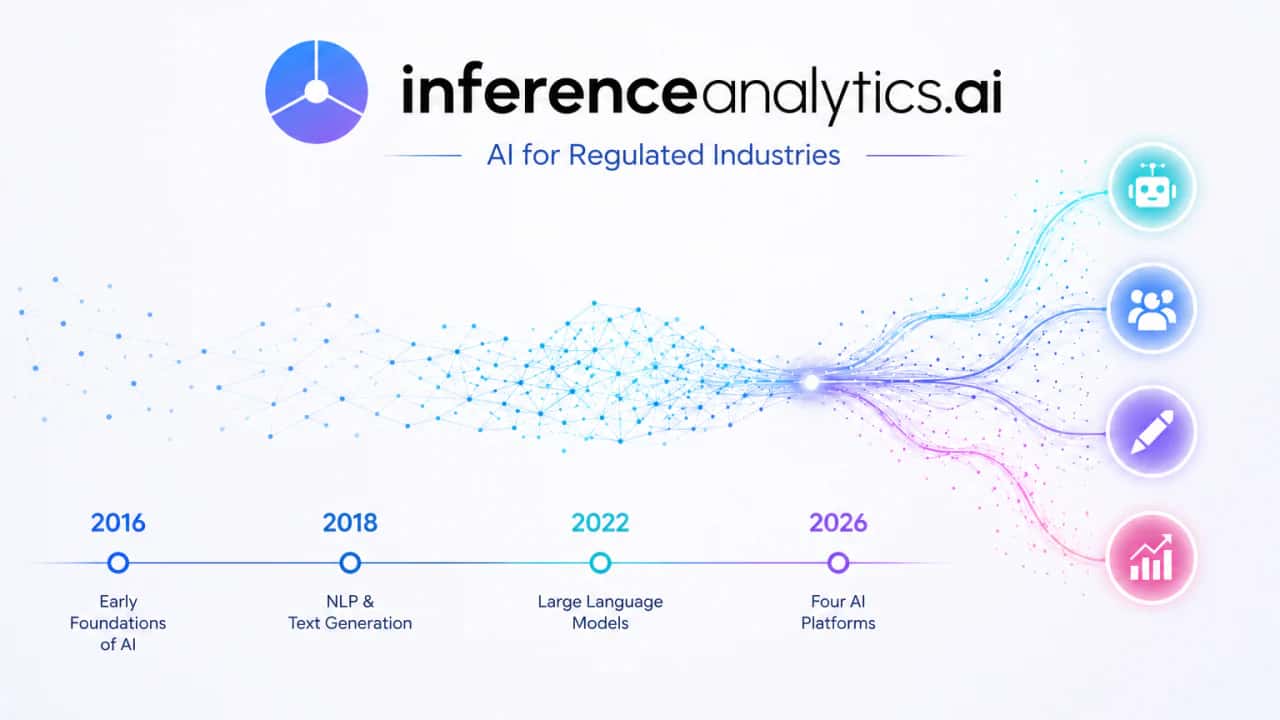
Read the postWe were making probabilistic text generation trustworthy in hospitals in 2018, before anyone called it GenAI. That environment still shapes how we build.
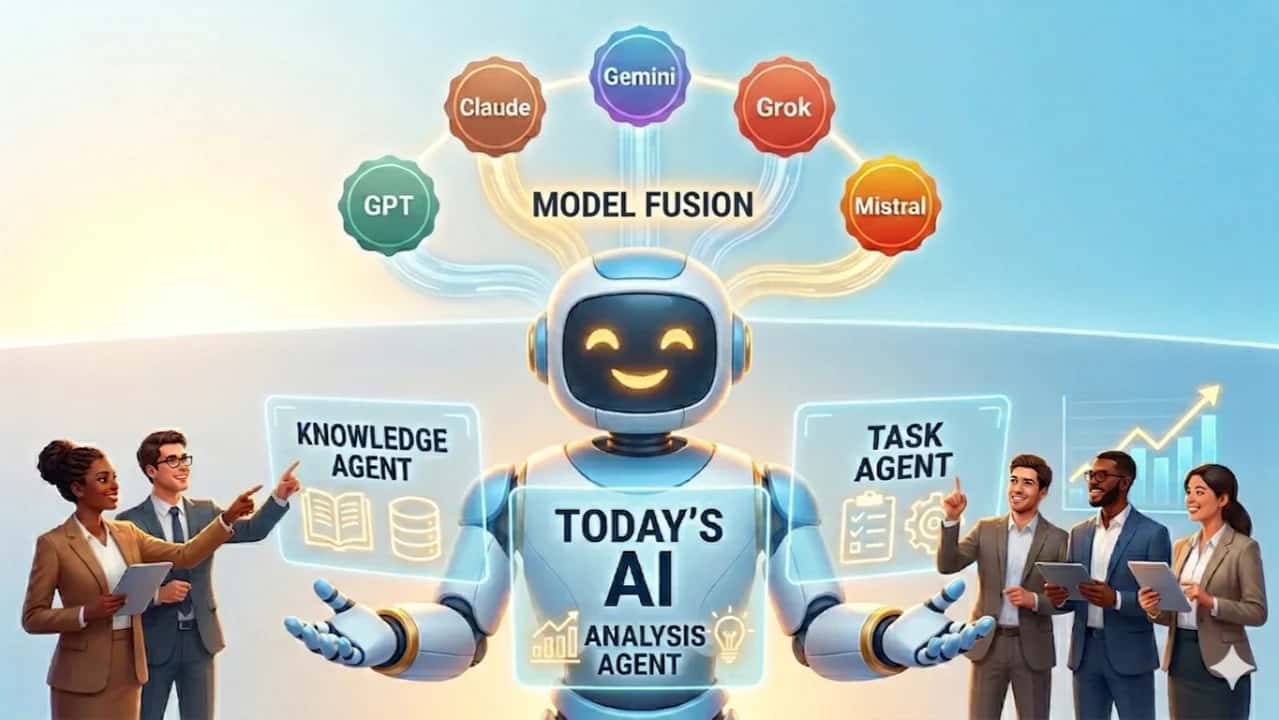
Read the postNo single model can be trusted on its own. Running the same intent across several at once turns disagreement between them into a signal rather than a silent failure.
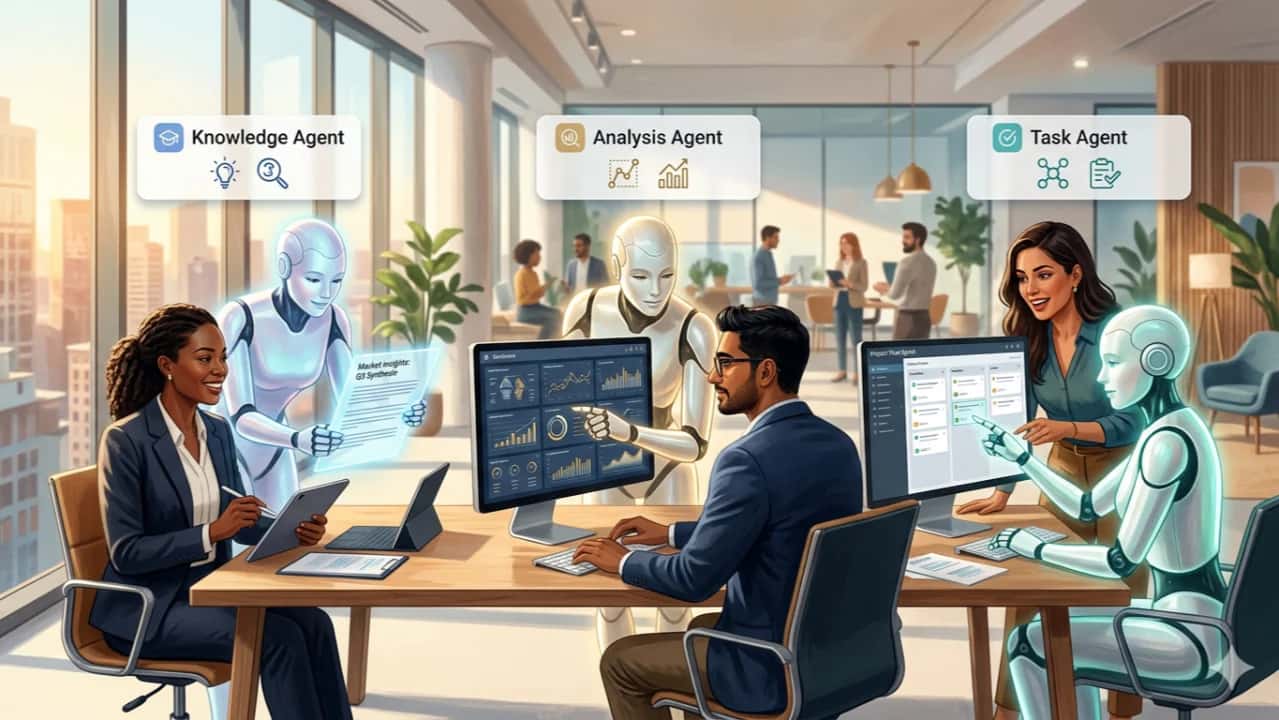
Read the postA practical guide to the three enterprise AI agent types, where they fail, and how governance ensures safe deployment in regulated industries.
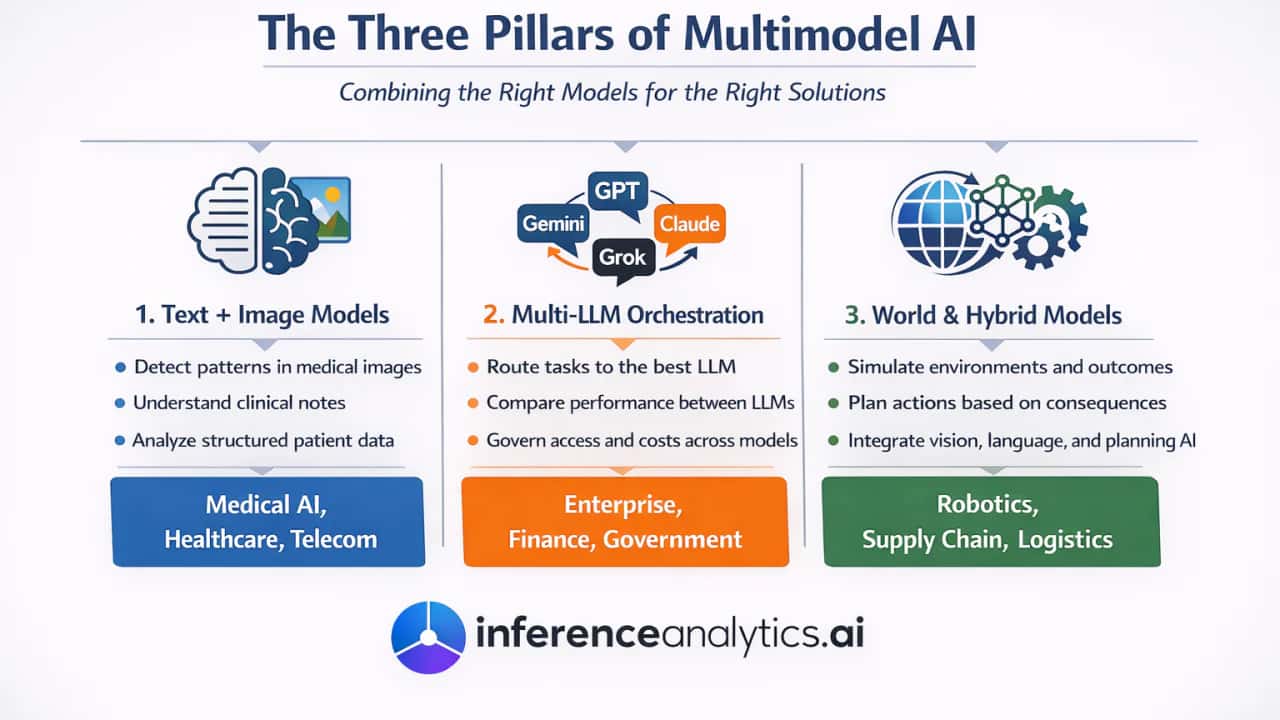
Read the postWhy enterprise AI strategy is shifting from choosing one model to orchestrating multimodel systems across modalities, LLMs, and hybrid architectures.
Read the postWhy single-model dependency creates long-term enterprise risk, and how model-independent architecture improves resilience, governance, and adaptability.
Read the post